
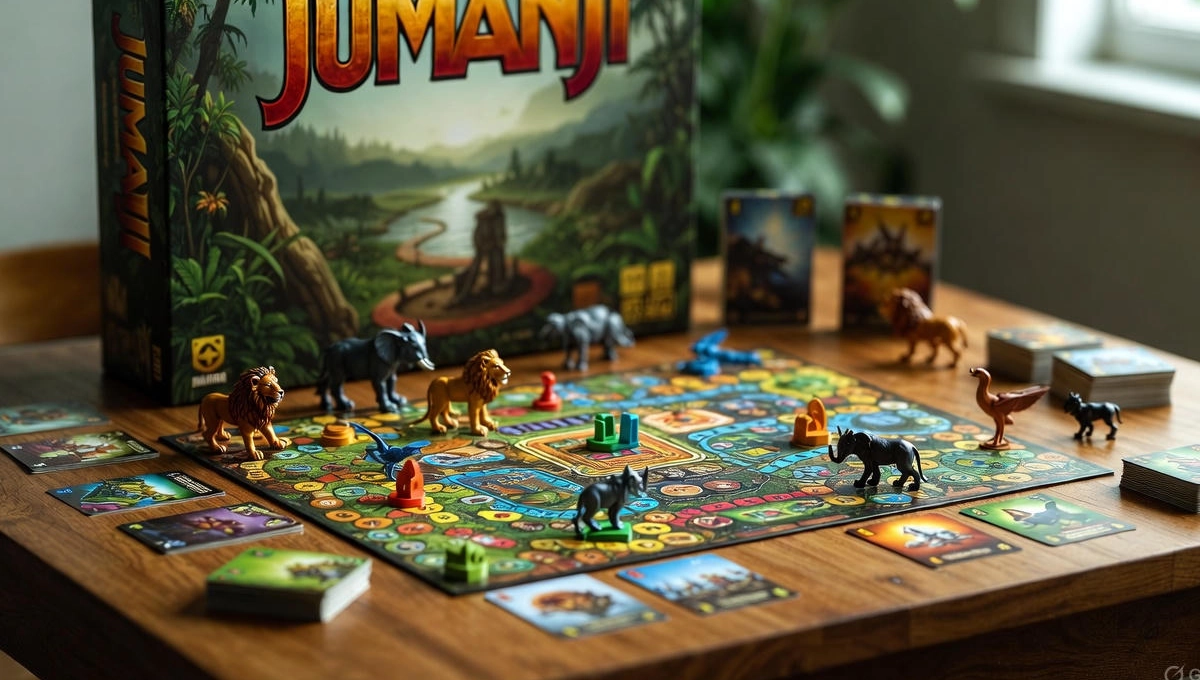
Remember finding an old board game in the attic and wondering what chaos it could unleash? That’s the magic that started Jumanji. Whether you grew up with Robin Williams dodging monkeys or laughed through Dwayne Johnson’s jungle antics, this franchise has kept us hooked for decades. Let’s discuss its journey together, from quiet pages to big screens.
The Jumanji franchise stands out because it blends fantasy adventure with real emotional stakes. Unlike typical family films, Jumanji movies explore fear, responsibility, and growth while keeping the action exciting. From board games to video games, the evolving format reflects how each generation plays, making the franchise relatable across decades. This balance of nostalgia and reinvention is a major reason Jumanji continues to attract both older fans and new audiences.
Key Takeaways
- Jumanji began as a 1981 children’s book and has grown into a series, earning over $2 billion at the box office.
- The films mix adventure with lessons on bravery, friendship, and facing change.
- An animated series from the ’90s expanded the world, focusing on ongoing quests inside the game.
- Modern reboots shifted to video game vibes, bringing fresh humor and stars.
- The upcoming fourth reboot film, releasing in December 2026, is called the finale, with filming underway now.
Jumanji Origins: Book and Animated Series
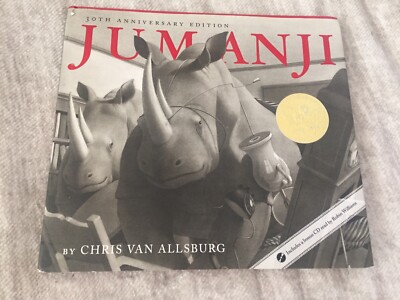
It all started with Chris Van Allsburg’s 1981 picture book. Two siblings find a board game that brings jungle dangers to life—animals, vines, storms—until they finish and everything vanishes. The sparse words and eerie illustrations create real tension, showing how play can turn serious. Van Allsburg’s follow-up, Zathura, in 2002, swaps jungle for space but keeps the same idea of a game pulling kids into peril. It’s a natural companion if you enjoy the original’s quiet thrill.
In the mid-’90s, an animated series ran for three seasons, from 1996 to 1999, with 40 episodes. Judy and Peter get sucked into Jumanji and team up with Alan Parrish, trapped there since childhood. They face recurring villains like Hunter Van Pelt and mad scientist Professor Ibsen while hunting clues to escape. The show builds a serialized story, rare for kids’ cartoons then, and ends with Alan finally free. It adds depth to the game’s world, exploring tribes, mechanics, and ongoing dangers.
The original Jumanji book is often praised for its minimalist storytelling and haunting illustrations, which leave much to the reader’s imagination. This subtle horror element sets it apart from most children’s books of its time. Parents and educators still recommend it today because it encourages critical thinking while delivering a powerful lesson about consequences and cooperation. These qualities laid the foundation for the darker tone seen in early Jumanji adaptations.

Original Jumanji Movie (1995)
The 1995 film expands the book into a full story. Young Alan rolls the dice in 1969 and vanishes into the game. Decades later, Judy and Peter find it, release him—now grown and played by Robin Williams—and must finish to stop the chaos.
Williams brings heart to Alan, a man scarred by years alone but rediscovering joy. The effects hold up: stampeding animals, giant plants, and a relentless hunter. It earned about $263 million worldwide and mixes scares with warmth—Alan’s isolation hits hard, reminding us that change is tough but necessary.
Ratings sit at 7.1 on IMDb from millions of votes. Critics split (around 54% on Rotten Tomatoes), praising visuals but noting intensity for kids. Audience scores stay higher, loving the nostalgia. Beyond its visual effects, the 1995 Jumanji movie resonates because of its emotional core. Alan Parrish’s journey mirrors real-life struggles with change, trauma, and second chances. Robin Williams’ performance adds depth that elevates the film beyond a simple adventure story. This emotional grounding is why the movie remains a holiday favorite and continues to trend on streaming platforms decades later.
If watching with little ones, heads up on scary bits like the hunter or floods. Common Sense Media suggests ages 10+. For similar family adventures with real stakes, older films like The Goonies capture that wonder.
Jumanji Reboots: Welcome to the Jungle
By 2017, the series was refreshed with a video game twist. Four teens in detention find an old console, pick avatars, and get pulled in. Dwayne Johnson plays the strong but awkward hero, Kevin Hart the short sidekick, Jack Black the vain teen in a professor’s body, and Karen Gillan the fighter.
They navigate levels, lose lives, and battle villains. The body swaps spark laughs—watching Johnson act nerdy or Black as a selfie-obsessed girl shines. It grossed $962 million, the franchise’s biggest hit. Themes touch on self-confidence and teamwork. The teens grow by stepping outside normal roles. Compared to the original, it’s lighter on fear, heavier on comedy, appealing to new crowds while nodding to the past. Audience approval hit 87% on Rotten Tomatoes. Many call it surprisingly fun, with cast chemistry carrying it.
Jumanji: The Next Level Insights
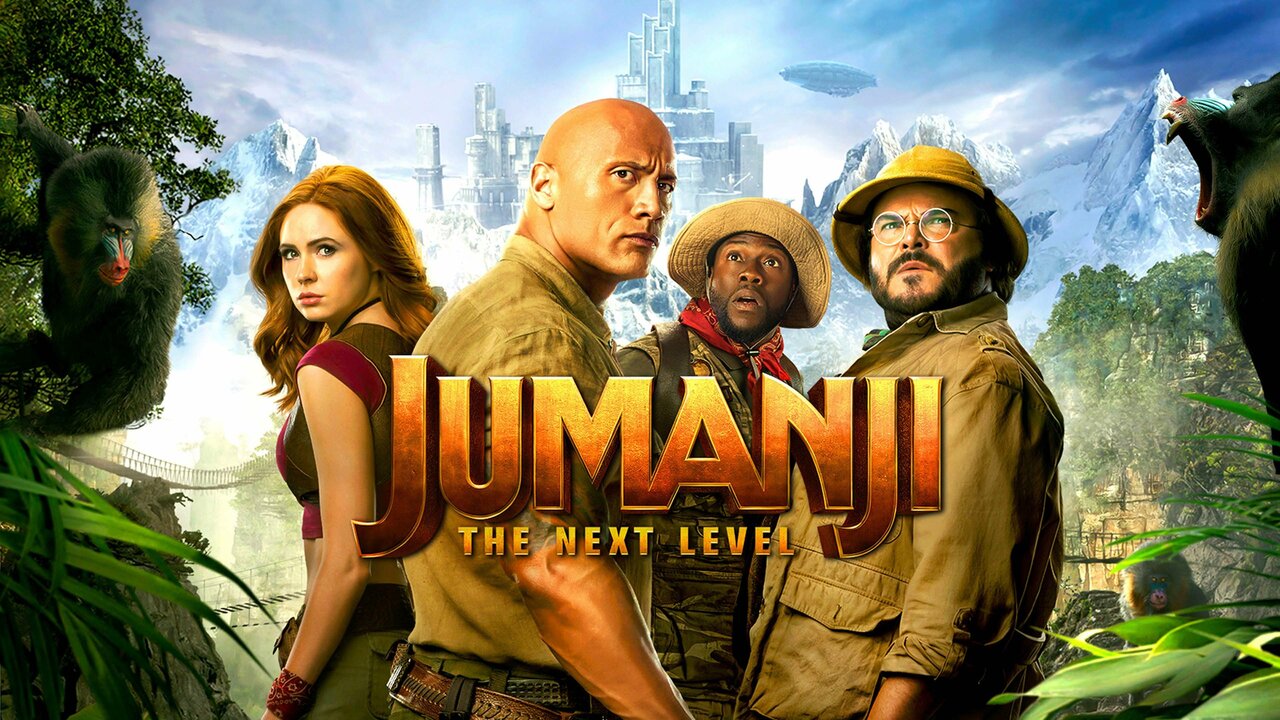
The 2019 follow-up mixes things more. The group returns to save a friend, but avatars switch—grandpas Eddie and Milo join, leading to Johnson mimicking Danny DeVito’s gruff style and Hart channeling Danny Glover’s slow drawl. New environments like deserts and fortresses add variety, plus fresh avatars, including Awkwafina. It earned $800 million, a solid success.
The swaps highlight aging and reconciliation—Eddie and Milo mend old rifts through adventure. Director Jake Kasdan has said these mixes let actors explore contrasts, showing how people adapt. Yet some felt the humor leaned too much on repeats, like endless quips during swaps. Reviews noted fun but familiar beats, with pacing dragging at times. Still, the cast’s energy keeps it watchable, especially Black and Gillan’s steady roles.
Upcoming Jumanji 4: Latest Updates
As of late 2025, filming is rolling in Los Angeles after starting in November. Dwayne Johnson calls it the “final level,” with Jake Kasdan directing again. The core team returns: Johnson, Hart, Black, Gillan, plus Nick Jonas and Awkwafina. New additions include Brittany O’Grady and Burn Gorman. Recent set photos tease real-world crossovers—avatars loose outside the game.
Release stays December 11, 2026. Teasers hint at bigger stakes, possibly tying loose ends like unresolved villains. Fans buzz with excitement, but some are feeling sequel fatigue. It aims to wrap the reboot arc, blending nostalgia and new twists.
Conclusion
From a quiet yet unsettling children’s book to a globe-spanning blockbuster franchise, Jumanji has rolled the dice successfully for over four decades. Each era brought something new—whether it was Robin Williams’ heartfelt performance, the darker tension of the original game, or the humor and heart of the modern video-game reboots. What keeps Jumanji relevant isn’t just spectacle, but its timeless themes of courage, friendship, and personal growth. As the franchise prepares for its final chapter in 2026, one thing is certain: Jumanji has secured its place as one of the most imaginative and enduring adventure series ever made.