
You know that feeling when you’re flipping through your games, tired of the same massive worlds and hour-long cutscenes? You want something that feels personal, maybe a little weird or cozy. That’s exactly why indie RPGs hook so many of us. Small groups or even solo creators make them, allowing them to try things that big studios won’t touch. The payoff is games full of personality and surprises.
These cover digital video RPGs (think pixel adventures on your computer) and tabletop ones (dice, stories, and hanging out with friends in person or online). They’re usually easy on the wallet and full of fresh energy.
Key Takeaways
- Indie RPGs let small teams create stuff that’s truly different and often cheaper than the big ones.
- The indie scene is growing strong—around $4.85 billion in 2025 and heading toward $9.55 billion by 2030.
- People love these games for quick sessions, playing with friends, or stories that actually stick with you.
- If you’re new, demos on Steam or itch.io make it super easy to try without spending much.
- 2026 is looking fun with new releases mixing old-school vibes and fresh twists.
What Are Indie RPGs?
Indie RPGs are role-playing games built without huge company money behind them. The creators call the shots, so they chase stories, mechanics, and looks that feel real to them.
You still get character growth, choices that matter, and worlds to lose yourself in—just with a handmade touch.
Take Sea of Stars for that classic JRPG nostalgia, or Blades in the Dark if you want tabletop heists that skip the boring setup. These come straight from folks who love the genre and want to share their spin on it.
Video vs Tabletop Indies
Video indies run on your screen, great for solo evenings or online with buddies. Stuff like Dredge mixes relaxing fishing with creepy horror in a way that feels brand new.
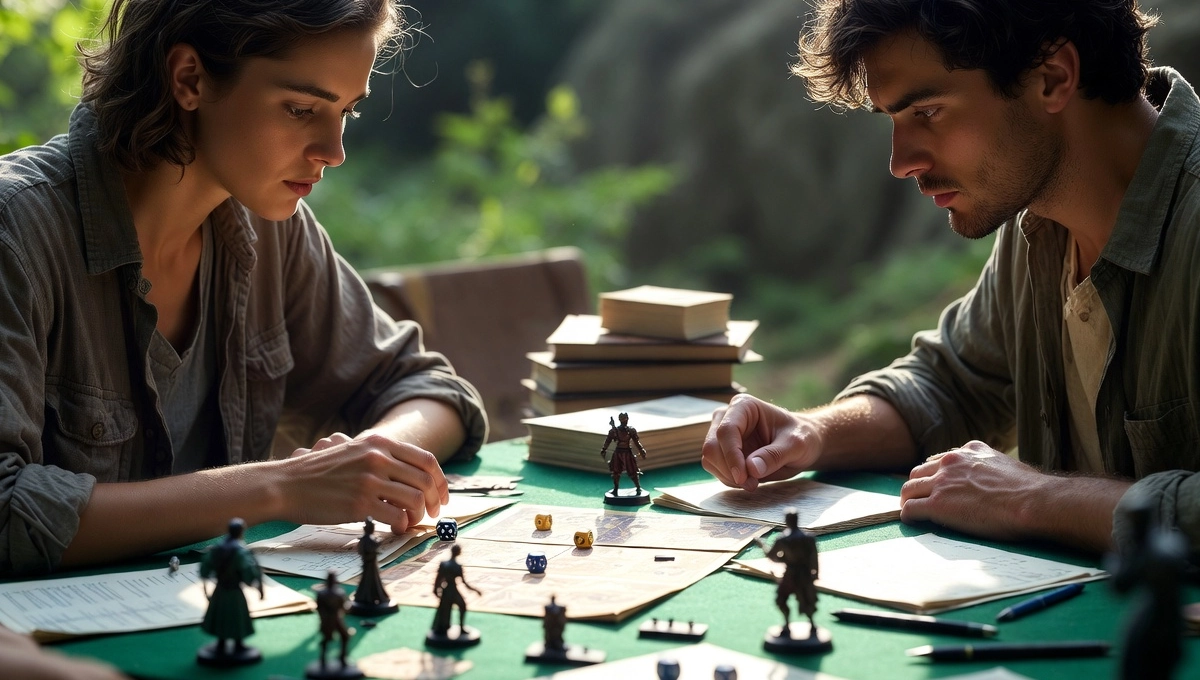
- Tabletop ones (TTRPGs) are about rolling dice, telling stories together, and making it up as you go. Dragonbane keeps things simple so everyone can jump in fast.
- Video games work when you want to chill alone; tabletop ones turn into nights of laughs and epic moments with friends. Both give you tons of depth without that $70 AAA price.
Top Indie RPG Picks for 2026
Here are some favorite players who talk about a lot, plus exciting ones on the horizon this year.
Best Video Indie RPGs
- Sea of Stars — Turn-based battles, gorgeous pixel art, and a story that hits right in the feels. If you grew up on old Final Fantasy, this one’s for you.
- Citizen Sleeper 2 — Cyberpunk choices where you’re an android scraping together a life. Feels like a tabletop session in video form.
- Cassette Beasts — Catch creatures, but with a surreal world and battles that keep you thinking.
Top Tabletop Indie RPGs
- Dragonbane — Easy rules that let you focus on the adventure instead of flipping through a huge book.
- Blades in the Dark — Straight into planning heists with clever twists.
- Daggerheart — Dice that build hope or fear, rewarding you for taking risks.
Hidden Gems and Reviews
Folks on X are still buzzing about Vagante for its tough-but-fun roguelike runs. And Hi-Fi Rush showed how rhythm combat can make an indie feel totally fresh and alive.
Current Trends in Indie RPGs
The indie world keeps changing to match what players actually want.
Rising Mechanics and Styles
More focus on real stories instead of endless grinding. Co-op is everywhere, and short play sessions fit real life better.
AI is sneaking in to make NPCs and plots feel more alive and responsive.
Market Growth Insights
The whole indie game space was about $4.85 billion in 2025 and should hit $9.55 billion by 2030—that’s solid 14.54% yearly growth. TTRPGs are riding the wave, too, with crowdfunding letting creators fund bold ideas without big publishers.
Challenges in Indie RPGs
It’s not all smooth. Here’s what trips people up and some quick ways around it.
Common Player Hurdles
Too many games out there, so great ones hide in the crowd. Some systems feel overwhelming at first.
Quick tips:
- Search “indie RPG recommendations” on Steam and sort by reviews.
- Grab free demos first—no pressure.
- Hang out on Reddit or Discord for honest player picks.
Developer Pain Points
Getting noticed takes time and cash—lots of indies make just $1,200 total. Mixing nostalgia with new ideas is hard without alienating fans.
Practical hacks:
- Start building a small following on social early.
- Sell direct on itch.io and let fans support you.
- Nail one unique thing to grab attention fast.
How to Start with Indie RPGs
Thinking of trying one? It’s way simpler than it looks.
Beginner-Friendly Entry Points
Steam has loads of free demos—basically, try-before-you-buy for full games. Most cost way under $20, way better than $70 AAA. Start small and see what clicks.
Tools and Resources
Unity powers a ton of video ones; simple PDFs work for TTRPGs. Follow X for instant player reactions.
Step-by-step to get started:
- Pick a free demo on Steam.
- Join a welcoming Discord for beginner advice.
- Grab a friend for co-op if you want.
Case study: Sea of Stars started on Kickstarter, got funded by fans who believed in it, and ended up as a polished favorite.
Indie vs Mainstream RPGs
Indies win on creativity and price. Mainstream like Baldur’s Gate 3 brings huge polish, but waits, and budgets are massive. Indies take more chances—like hip-hop horror in El Paso, Elsewhere, instead of another generic fantasy. Go indie for new ideas and shorter play. The top hits grab most of the money, so when one breaks out, it feels extra special.
Future of Indie RPGs
2026 is shaping up nicely.
Emerging Innovations
VR and AR are adding real immersion. Cozy RPGs keep getting bigger for relaxed vibes. Patreon and similar help creators keep projects going long-term.
Opportunities Ahead
More diverse makers are jumping in with easy tools. Mobile indies are huge too. AI could change how stories unfold, opening doors for even wilder experiences.
Conclusion
Indie RPGs prove that you don’t need massive budgets to create unforgettable adventures. With bold storytelling, creative mechanics, and fair pricing, these games offer experiences that feel personal and refreshing compared to mainstream titles. Whether you’re diving into a cozy pixel world, planning a tabletop heist with friends, or testing a new demo on Steam, indie RPGs give you more freedom to explore what truly excites you.
As 2026 unfolds, the indie RPG scene is only getting stronger—powered by passionate creators, supportive communities, and new tech like AI and immersive platforms. If you’re craving something original, meaningful, and fun without the AAA price tag, now is the perfect time to go indie and discover your next favorite RPG.