
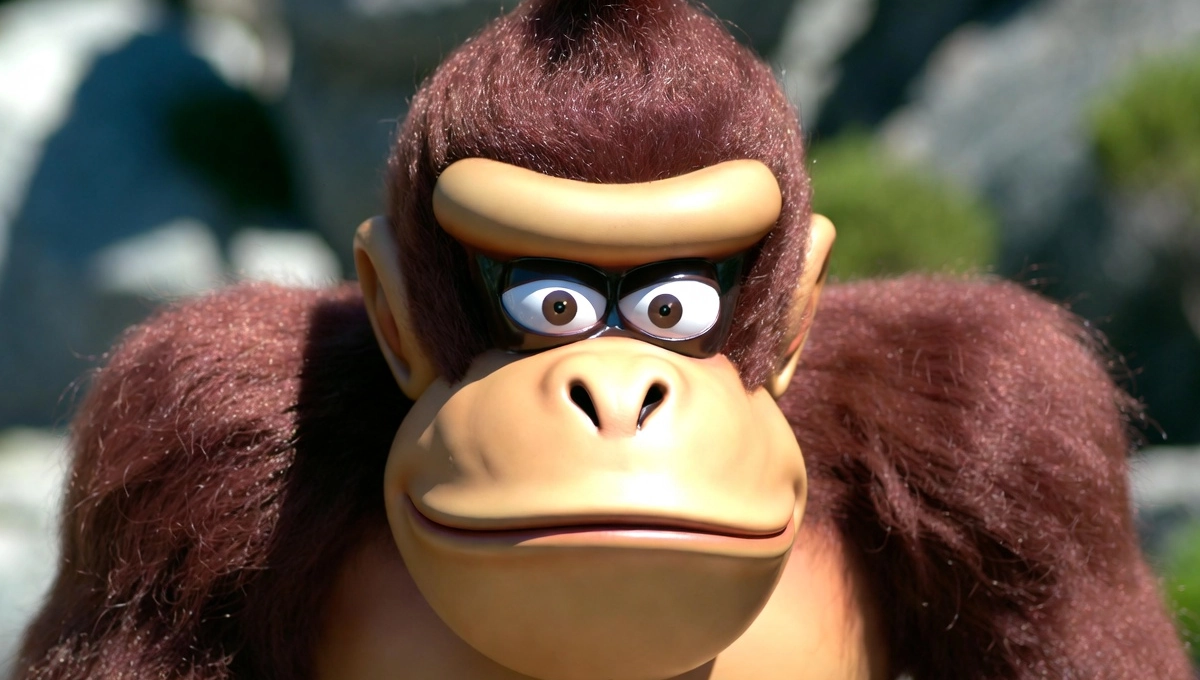
You’re a kid at the arcade, quarters in hand, staring down a massive gorilla hurling barrels at a plumber. That heart-pounding rush? That’s Donkey Kong, Nintendo’s big ape who’s been smashing, jumping, and banana-hoarding since 1981. From villain to hero, this franchise has hooked generations with tight platforming and goofy charm.
Fast-forward to today, and Donkey Kong is hotter than ever. The 2025 release Donkey Kong Bananza ended a long wait, selling over 3.5 million copies and scoring a 91 on Metacritic. Whether you’re a nostalgic fan or new to the jungle, here’s everything you need to know about this gorilla legend.
Key Takeaways
- Donkey Kong started as Mario’s enemy but became a platformer star, with the series selling over 85 million copies worldwide.
- Donkey Kong Country on SNES moved 9.3 million units, thanks to stunning visuals that blew minds back in ’94.
- Donkey Kong Bananza (2025) broke a 10-year gap, earning 91/100 critic praise for its banana-flinging fun on Switch 2.
- Foes like King K. Rool keep things chaotic, while Diddy Kong adds buddy vibes.
- From movies to theme parks, Donkey Kong lives on—perfect for family game nights.
Donkey Kong Origins (1981 Arcade)
Back in 1981, Shigeru Miyamoto dreamed up Donkey Kong after spotting a radar scope that looked like eyes. The gorilla kidnapped a damsel, forcing plumber Jumpman (later Mario) to climb girders and dodge barrels. It was Nintendo’s big break, selling cabinets like hotcakes—two per day at peak.
Imagine feeding quarters into that machine, heart racing as barrels roll your way. The name? “Donkey” for a stubborn animal, “Kong” from old monster flicks. Simple genius that saved Nintendo from bankruptcy.
This arcade smash laid the groundwork for platformers everywhere. No fancy graphics, just pure skill and that catchy tune stuck in your head.
Franchise Evolution
Donkey Kong grew from pixelated chaos to lush jungles. Let’s break it down.
Rare Era (1994-2004)
Rare took the reins in ’94 with Donkey Kong Country. Pre-rendered sprites made apes look real on SNES—9.3 million sold proved it worked. You swung on vines, blasted barrels, and faced Kremlings in levels that felt alive.
Compared to plain 2D Mario, this was next-level. Spin-offs like Diddy Kong Racing mixed karts and planes, outshining some Mario Kart entries with its wild tracks. Rare’s run peaked here, but they left a banana trail.
Modern 3D Shift
Jump to 2014’s Tropical Freeze—icy co-op platforming on Wii U, later Switch. Then… silence. A 10-year hiatus left fans grumpy, wondering if DK was done.
Enter Bananza in 2025, diving underground for golden bananas. Canceled ideas like Vicarious Visions’ project? Heartbreak, but this comeback smashed it.
Iconic Characters
At the heart? Donkey Kong, the tie-wearing gorilla with a banana obsession. His Bananza redesign—goofier eyes, bouncier moves—has fans split: cuter or too cartoonish?
Diddy Kong’s your jetpack buddy since ’94, zipping through levels. Cranky Kong? The original DK from ’81, now a grumpy grandpa—fan theories say it’s canon.
Villains steal shows: King K. Rool, the blimp-bellied croc with a crown. His Kremling army brings laughs and frustration. Picture teaming with Dixie for double trouble—these Kongs feel like family.
Best Games Ranked
Fans debate endlessly, but here’s a fresh 2026 take blending sales, reviews, and fun factor.
- Donkey Kong Country (SNES): Barrel blasts and secrets galore—9.3 million can’t be wrong.
- Donkey Kong Bananza (2025): Underground smashing, 3.49 million sold fast.
- DKC: Tropical Freeze: Polar precision, co-op perfection.
- Original Arcade: Timeless barrel-dodging tension.
- DK Country 2: Diddy’s quest ups the ante with mine carts.
These picks echo rankings from IGN and Reddit—timeless picks for any console.
Donkey Kong Bananza Deep Dive
Bananza drops DK underground after a heist. Smashing rocks, flinging bananas—it’s open-world platforming with physics that feel just right. Starts easy, ramps to brutal bosses that test your thumbs.
Critics rave: 91 Metacritic, “triumphant return.” Users love the polish, though some gripe about the length. On X, folks stream it non-stop, calling it “GOTY material.”
Seth Rogen voices DK—fits the goofy vibe. At $70 on Switch 2, it’s pricey, but 3.5 million agree it’s worth it.
Gameplay Tips & Secrets
That hiatus hurt—fans missed DK. Fix it: Emulate originals free at freekong.org for nostalgia hits.
- Speedrunning: Skip the NES kill screen with precise jumps—check leaderboards.
- Bananza hacks: Chain smashes for hidden areas; co-op eases tough spots.
- Difficulty fix: Tropical Freeze? Tag-team with a friend—less rage quits.
- Banana grind: Collect 100% in Country for warps—saves hours.
Ever stuck on Rool? Roll-dodge his blasts. These tricks turn frustration into wins.
Cultural Impact
“It’s on like Donkey Kong!”—that phrase? Born from arcade intensity, now slang for big challenges.
Super Mario Bros. Movie (2023) gave DK a cameo, helping it gross over $1.3 billion. Universal’s Mine-Cart Madness ride thrills park-goers. DK Rap? Meme gold.
Soundtracks sample everywhere—Aquatic Ambience chills souls. From esports to merch, DK’s everywhere.
Vs. Other Platformers
Donkey Kong inspired Crash Bandicoot—Country’s tech wowed first. Mario’s precise; DK’s chaotic with destructible worlds.
Bananza beats Yooka-Laylee at collectathons—smoother controls, funner destruction. Rare’s bolder than Nintendo’s polish. Pick DK for gorilla energy over fox flips.
Future of Donkey Kong
Switch 2 ports incoming, X buzzes for 2D revivals. Theme parks expand—more Mine-Cart spins. Movie rumors? Seth Rogen’s DK could star. Fans want Diddy solo or Kremling prequels. After Bananza‘s hit, expect bananas aplenty.
Beyond gameplay, Donkey Kong stands out because of how well Nintendo balances humor with challenge. The series welcomes beginners with bright visuals and playful animations, while also subtly challenging experienced players with intricate level design and hidden secrets. This layered difficulty is why Donkey Kong games work so well for family gaming—kids enjoy the action, while longtime fans chase perfect runs and 100% completion.
Another reason Donkey Kong remains relevant is its ability to evolve without losing identity. Each new entry experiments with mechanics—whether it’s physics-based destruction, co-op teamwork, or open-level exploration—while keeping the core focus on movement, timing, and creativity. In a genre crowded with platformers, Donkey Kong remains distinct, proving that strong character design and thoughtful gameplay can endure over time.
Final Takeaway
Donkey Kong is more than a classic video game character—he’s a cornerstone of Nintendo’s history. From the barrel-throwing chaos of the 1981 arcade game to the polished, explosive fun of Donkey Kong Bananza, the franchise has evolved without losing its soul. Its memorable characters, inventive level design, and timeless gameplay continue to attract both longtime fans and new players.